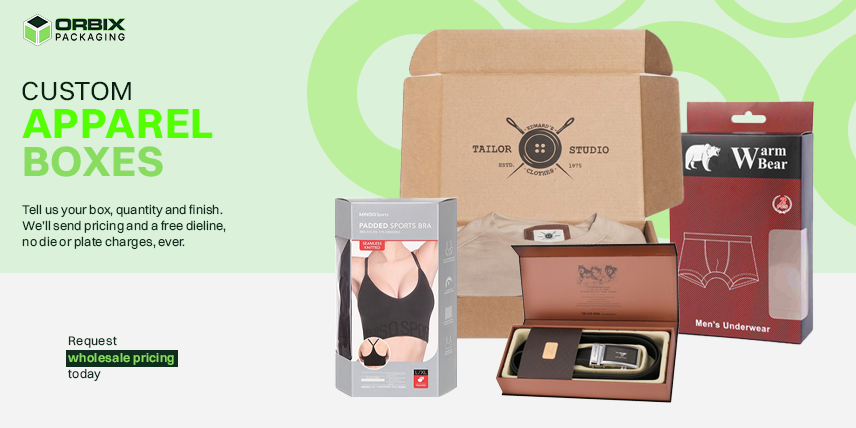
Sizing apparel boxes correctly is one of the most overlooked steps in building a clothing brand’s packaging strategy. Get it wrong, and you’re either paying for excess cardboard and shipping weight, or squeezing folded garments into boxes that crush, wrinkle, or damage them before they reach the customer. Whether you’re packaging T-shirts, hoodies, or a mix of folded apparel, understanding sizing fundamentals saves money and elevates the unboxing experience.
Why Apparel Box Sizing Matters
Clothing is soft and flexible, which makes it easy to assume “any box will do.” In reality, incorrect sizing creates real problems: oversized boxes let garments shift and wrinkle during transit, undersized boxes force employees to jam-fold items awkwardly, and inconsistent sizing across a product line makes warehousing and shipping costs unpredictable. A properly sized box protects the garment, keeps folds crisp, and reinforces a premium brand impression the moment the box is opened.
Sizing Boxes for T-Shirts
T-shirts are the easiest item to fit into T-shirt Packaging, but sizing still depends on your folding method and packaging goals.
- Standard flat-fold T-shirts (folded to roughly 10″ x 12″) typically fit well in boxes sized around 11″ x 13″ x 1.5–2″, leaving minimal space.
- Multi-pack boxes (2–3 shirts) need extra depth, usually 2.5–3.5 inches, to avoid overstuffing and stretching the box walls.
- Premium or boutique brands often use slightly oversized boxes with tissue paper or inserts, trading efficiency for a more elevated unboxing moment.
- Mailer-style boxes work well for single t-shirt shipments, especially when combined with poly liners for moisture protection.
Sizing Boxes for Hoodies
Hoodies are bulkier and require more thoughtful sizing than t-shirts, since bulk and structure change measurements significantly.
- Folded hoodie dimensions generally range from 12″ x 14″ to 14″ x 16″, depending on size (S–XL) and fabric weight.
- Box depth matters most here — hoodies typically need 3–4 inches of depth to avoid excessive compression, which can leave permanent crease lines in heavier fabric.
- Fleece-lined or heavyweight hoodies may need boxes sized up an additional half-inch in depth to prevent tight packing that stresses seams.
- Standardizing hoodie box sizes across S–XL (rather than customizing each size) is often more cost-effective, even if it means slightly more space for smaller sizes.
Sizing for Folded Clothing in General
Beyond T-shirts and hoodies, most folded apparel follows a few universal sizing principles.
- Measure the folded garment, not the unfolded size — folding technique dramatically changes the footprint, so standardize your fold before finalizing box dimensions.
- Leave a 10–15% margin, not more — enough room to place the item without forcing it, but not so much that it shifts around during transit.
- Group similar garments by size tier (e.g., lightweight tops, mid-weight layers, heavy outerwear) rather than creating a unique box for every SKU.
- Account for insert materials like tissue paper, thank-you cards, or branded stickers when calculating final depth requirements.
Choosing the Right Material for Apparel Boxes
Once sizing is set, material selection determines how well that size performs in the real world.
- Cardboard remains the most popular choice for apparel boxes — lightweight, affordable, and easy to brand with printing or foil-stamped logos.
- Corrugated cardboard is ideal for bulk or subscription shipments, offering extra rigidity that protects folded garments from compression damage.
- Rigid cardboard suits premium apparel lines and gift sets, giving a sturdier, higher-end unboxing feel.
- Kraft cardboard appeals to sustainability-focused apparel brands and pairs naturally with minimalist, eco-conscious branding.
Common Sizing Mistakes to Avoid
A few recurring mistakes trip up even established apparel brands:
- Sizing boxes based on unfolded garment measurements instead of the actual fold
- Using one universal box size across drastically different garment weights (T-shirts vs. heavy hoodies)
- Ignoring depth requirements, leading to compressed, wrinkled products on arrival
- Failing to test physical samples before committing to a full production run
Getting Apparel Packaging Right From the Start
Sizing apparel boxes correctly comes down to understanding your garment’s folded dimensions, accounting for fabric weight and bulk, and choosing a durable, brand-appropriate material. Whether you’re shipping t-shirts, hoodies, or a full folded-clothing line, the right box size protects your product and reinforces a professional, considered brand experience with every order.
If you’re ready to design apparel boxes sized specifically for your product line, Orbix Packaging can help — from precise sizing and material selection to custom printing and finishing. Reach out to Orbix Packaging today to get a quote and start shipping apparel that arrives crisp, protected, and ready to impress.